Sapphires, cherished for their beauty, can be naturally sourced or lab-grown. This distinction raises the question: What is the difference between natural and lab-grown sapphires? Significant industry reports indicate that lab-grown sapphires have captured around 30% of the market share. This shift highlights a growing consumer preference for ethically sourced and more affordable gemstones.
Natural sapphires form over millions of years under unique geological conditions. Their rarity often results in higher prices. Conversely, lab-grown sapphires, produced in controlled environments, share the same chemical properties. Their affordability and ethical associations appeal to many buyers today. Yet, some may question their long-term value and emotional significance.
Understanding these differences is crucial for informed purchasing. As more consumers explore options, the dialogue around natural versus lab-grown stones becomes essential. With varied opinions on authenticity and value, potential buyers should carefully consider what aligns with their values. This exploration will illuminate what you value most in a sapphire.
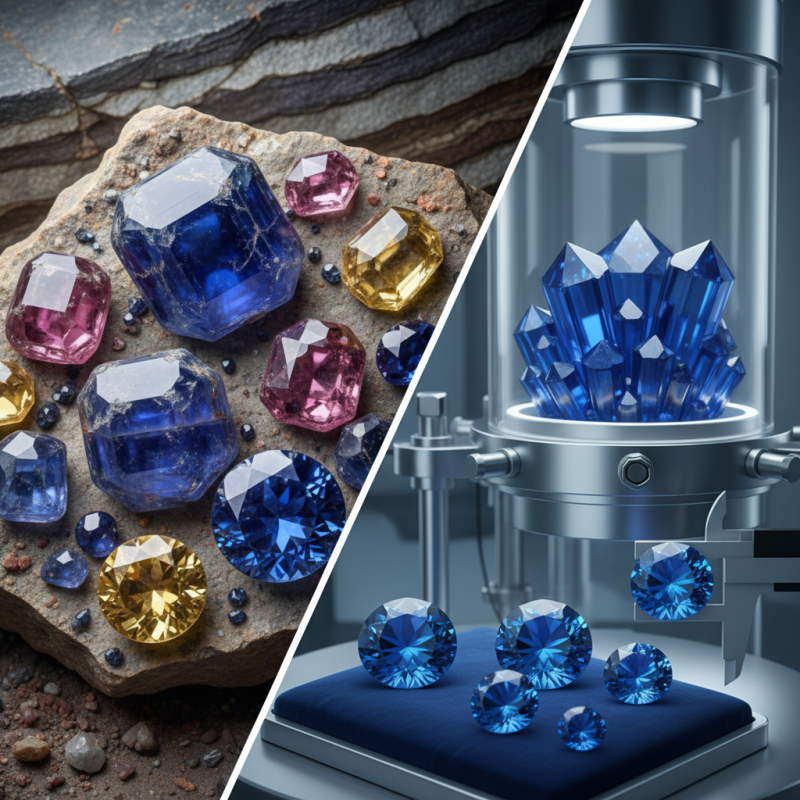
Natural and lab-grown sapphires differ primarily in their formation processes. Natural sapphires form over millions of years deep within the Earth's crust. This process involves intense heat and pressure, leading to the development of unique colors and inclusions. On the other hand, lab-grown sapphires are created in controlled environments. They can be produced in just a few weeks, mimicking the natural conditions.
One notable difference is the clarity of each type. Natural sapphires often have inclusions that tell their geological story. Lab-grown sapphires, however, are usually flawless. This can make lab-grown stones more appealing for those seeking perfection. However, some people value the character of natural stones more.
Tips: When choosing between the two, think about what matters most to you. If rarity and history speak to you, natural sapphires might be the way to go. If you prefer affordability and pristine clarity, opt for lab-grown. Also, consider the environmental impact. Lab-grown options tend to have a smaller ecological footprint.
Remember, the beauty of a sapphire resides not just in its appearance but also in its origins. Each stone has a tale. Embrace this complexity as you make your choice.
When considering the differences between natural and lab-grown sapphires, color and clarity stand out. Natural sapphires can display a range of colors, often influenced by their geological formation. Deep blues may hold hints of violet or green, while lighter shades can appear more pastel. In contrast, lab-grown sapphires tend to have more saturated colors. Their hues are consistent and can be perfectly uniform, which some find appealing.
Clarity is another area of distinction. Natural sapphires often contain inclusions, tiny flaws that form during their natural creation. These inclusions can offer a story of the gemstone’s journey, adding character. On the other hand, lab-grown sapphires are typically flawless or nearly so. This high clarity can make them seem too perfect, which might not resonate with everyone.
Tip: When selecting a sapphire, consider what you value more—character or perfection. Look closely for tiny inclusions in natural stones; they may enhance the gem’s uniqueness.
Tip: Observe the color closely. Try natural light to see how it changes. Lab-grown stones may appear beautiful but can sometimes lack the depth found in natural gems.
When comparing natural and lab-grown sapphires, price plays a crucial role. Natural sapphires can cost between $300 to $1,000 per carat, depending on quality and color. Conversely, lab-grown sapphires price range is typically between $50 to $300 per carat. This striking price difference can be attributed to the complexity of sourcing natural gems.
Lab-grown sapphires often provide an ethical choice for consumers. They are created using advanced technology, replicating natural conditions. This results in gems that are nearly identical in appearance to their natural counterparts. Yet, industry reports indicate that some buyers may be skeptical regarding the long-term value and uniqueness of lab-grown options.
Tips: Always consider your priorities—whether rarity or affordability is more important to you. It's wise to compare certifications from gemological laboratories. This can help ensure the quality of your purchase, whether natural or lab-grown. Understanding market trends can also help you make informed decisions about investing in sapphires.
Natural sapphires and lab-grown sapphires present profound differences in sustainability and environmental impact. Natural sapphires are mined from the earth, a process that often causes significant ecological disruption. Mining can lead to deforestation, soil erosion, and biodiversity loss. The process is labor-intensive and sometimes exploits vulnerable communities. These factors raise serious ethical concerns about the true cost of obtaining these gems.
In contrast, lab-grown sapphires offer an alternative that prioritizes sustainability. Created in controlled environments, they minimize the environmental damage associated with mining. Their production consumes less energy and generates less waste. Moreover, these gems do not contribute to habitat destruction. However, it’s important to note that lab-grown options can still have hidden environmental costs. While they seem more ethical, their production requires resources and energy that can impact the environment.
Reflecting on these differences is essential. Consumers must weigh their choices carefully. The decision between natural and lab-grown sapphires involves not just personal preference but also broader ethical implications. Each option has its own set of trade-offs, and awareness can lead to more responsible choices in the jewelry industry.
When considering the market value and investment potential of natural versus lab-grown sapphires, key differences emerge.
Natural sapphires, formed over millions of years in the earth, carry a unique charm. They are often viewed as more prestigious due to their rarity. Investors see natural stones as valuable assets that can appreciate over time. Their prices can vary significantly based on origin, color, and clarity.
In contrast, lab-grown sapphires are created in controlled environments. They are chemically identical to natural ones but are typically more affordable. This affordability can make them appealing for buyers on a budget. However, as the technology advances, concerns arise about their long-term value. Over-saturation in the market might limit investment growth. Buyers should thoroughly research before purchasing. The distinction can lead to confusion, impacting perceived worth.
Ultimately, while both types of sapphires have their merits, the choice may reflect personal values. Natural stones symbolize nature's artistry, while lab-grown gems represent innovation. It is essential for investors and buyers alike to understand the nuances. The evolving market landscape requires careful consideration before making significant purchases. Thoughtful reflection is key.
: Natural sapphires form deep in the Earth over millions of years; lab-grown sapphires are made in weeks in controlled settings.
Natural sapphires often have inclusions, while lab-grown sapphires are usually flawless, appealing to those wanting perfection.
Consider if you prefer the unique story of natural stones or the pristine clarity of lab-grown options.
Natural sapphires show diverse colors influenced by geology; lab-grown sapphires have more uniform and saturated hues.
Natural sapphires may cause ecological harm; lab-grown sapphires are typically more sustainable but still have hidden costs.
Yes, natural sapphires have unique character and history due to their natural inclusions that tell their geological story.
Not necessarily. While they reduce mining harm, their production still uses resources with potential environmental impacts.
Reflect on your values and the implications of both options, considering how your choice aligns with your ethics and preferences.
Yes, check natural light to see color variations. Lab-grown stones may lack the depth found in natural gems.
Yes, it involves weighing personal preferences, aesthetic values, and ethical implications, which can be challenging and require thought.
In exploring what is the difference between natural and lab-grown sapphires, the article delves into various aspects that set these two types of gemstones apart. The formation process is one of the primary distinctions; natural sapphires are created over millions of years through geological processes, while lab-grown sapphires are synthesized in controlled environments, significantly shortening the time needed for their creation.
Color and clarity also exhibit variations, with natural sapphires often having unique imperfections that can enhance their value, whereas lab-grown options tend to have fewer inclusions. In terms of cost, lab-grown sapphires generally offer a more affordable alternative without sacrificing appearance. Ethical considerations regarding sustainability reveal that lab-grown sapphires typically have a lower environmental impact. Lastly, market value differs, as natural sapphires are often seen as a more lucrative investment due to their rarity. This comprehensive examination provides valuable insights for consumers and investors alike.
