Why is Cut the Key C in Diamond Quality for Buyers?

Time:2026-06-10 Author:Amelia
0%

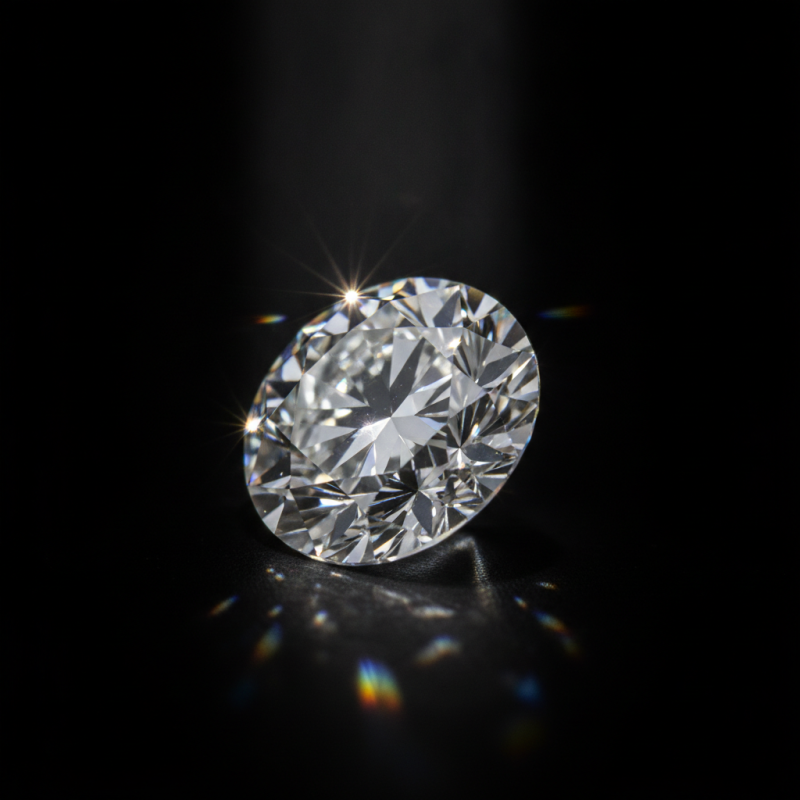
When it comes to diamond quality, many buyers focus on the characteristics known as the "Four Cs": Cut, Color, Clarity, and Carat. However, why is the "cut" the most important C in diamond quality? The cut refers to how well a diamond has been shaped and faceted. This aspect directly affects the stone's brilliance and sparkle. A well-cut diamond reflects light beautifully.

Diamonds that are cut poorly will appear dull, even if they possess excellent color and clarity. This leads to reflections that are less vibrant. The cut impacts the visual appeal more than any other characteristic. A buyer might overlook a diamond's color or clarity if the cut is stunning.

Understanding the importance of the cut highlights the necessity for buyers to be discerning. Selecting a diamond is not just about size or flawlessness. It's crucial to prioritize the cut to maximize the diamond's potential for brilliance. Reflecting on the cut's significance can deepen appreciation for this timeless gem. Ultimately, choosing wisely can ensure that each diamond sparkles uniquely.
Why is Cut the Key C in Diamond Quality for Buyers?

Importance of Cut in Diamond Quality Evaluation

The cut of a diamond significantly impacts its overall quality and visual appeal. A diamond that is cut well will reflect light beautifully. According to the Gemological Institute of America (GIA), about 50% of a diamond's beauty comes from its cut. This reflects how light interacts with the diamond's facets. A poor cut can diminish the stone's brilliance, making even a high-quality diamond look lackluster.

Different cut grades significantly influence the diamond’s price. For instance, a round brilliant cut with an "Excellent" grade can fetch about 20% more than one rated as "Good." Buyers often overlook cut quality while focusing on color or clarity. This mistake can lead to dissatisfaction in the long run. Understanding cut proportions helps in choosing a diamond that exhibits maximum sparkle.

**Tip:** Always examine a diamond under various lighting conditions. This can help reveal how the cut affects its appearance.

Another aspect to consider is the ideal proportions for different shapes. A well-proportioned diamond, regardless of its shape, will accentuate its beauty. While some fancy shapes may appeal to personal tastes, their cut quality is just as important.

**Tip:** Research and consult with experts who can provide insights into ideal cut standards to ensure a wise investment.

Why is Cut the Key C in Diamond Quality for Buyers? - Importance of Cut in Diamond Quality Evaluation

Cut Quality Description Impact on Brilliance Recommended for Buyers
Ideal Maximizes light performance, excellent proportions. Exceptional brilliance and fire. Highly recommended for optimal value.
Excellent Very good light performance, great proportions. Very high brilliance and fire. Recommended for quality seekers.
Very Good Good light performance, minor proportion issues. High brilliance, slight loss in fire. Good for budget-conscious buyers.
Good Acceptable light performance, noticeable flaws. Moderate brilliance, weaker fire. Consider if affordability is a priority.
Fair Limited light interaction, many issues in proportions. Lower brilliance, dull appearance. Only for specific cases or extreme budget.

Understanding the Four Cs: Cut, Color, Clarity, and Carat

When it comes to diamonds, the Four Cs play a crucial role in determining their value and beauty. Cut is often regarded as the most significant of these four aspects. A well-cut diamond reflects light brilliantly, creating sparkle and fire. This aspect of cut not only influences appearance but also affects perceived size. A diamond with an ideal cut can appear larger than its actual carat weight.

Color assesses the hue of the diamond. A colorless stone tends to be the most sought after, while tinges of yellow or brown can diminish the value. Clarity measures the internal and external imperfections. Flaws can be microscopic or visible without magnification. Even the tiniest inclusions or blemishes can impact a diamond's appeal. Buyers should consider these characteristics carefully.

Carat weight indicates the size of the diamond. Larger diamonds are rarer, resulting in higher prices. However, carat weight alone does not determine beauty. Buyers often overlook the balance between the Four Cs. An exquisite diamond may not be the biggest, but its cut, color, and clarity can make it stand out. This requires thoughtful evaluation to ensure a worthwhile purchase.

How Cut Affects Diamond Aesthetics and Brilliance

The cut of a diamond significantly influences its overall aesthetics. A well-cut diamond refracts light beautifully, revealing a captivating sparkle. The angles and proportions must be precise. This precision determines how light enters and exits the stone. It creates brilliance and scintillation. A poorly cut diamond can look dull, even if it has impressive carat weight. Misaligned facets can lead to a lackluster appearance, diminishing its potential.

When assessing a diamond's cut, buyers should consider proportions carefully. Depth and table size are critical factors. A deeper diamond may appear smaller, losing visual appeal. Conversely, a shallow cut can create windowing, where the light escapes instead of reflecting. Understanding these nuances is essential. Buyers often overlook these details, focusing solely on carat weight or color. However, the cut can make or break a diamond’s overall beauty.

Grasping the essence of a diamond's cut requires experience and knowledge. It isn’t just about looks; it’s about how light interacts with the stone. Available resources can help buyers make informed decisions. Yet, without practical experience, the intricacies of diamond quality may remain elusive. Embracing this complexity enhances understanding and appreciation for these remarkable gemstones.

Impact of Diamond Cut Quality on Aesthetics and Brilliance

Key Factors Influencing the Quality of a Diamond's Cut

The cut of a diamond significantly affects its overall quality and visual appeal. According to the Gemological Institute of America (GIA), the cut determines how well a diamond reflects light. A well-cut diamond exhibits brilliance and fire, drawing the viewer's eye. Poorly cut diamonds can appear dull, even if they have excellent clarity and color.

Several factors contribute to a diamond's cut quality. The shape, proportions, and polish are critical components. Ideal proportions allow light to enter and exit the diamond effectively, enhancing its sparkle. A study by the American Gem Society noted that ideal cuts can increase a diamond's perceived value by up to 30%. However, achieving the perfect cut is a challenging task requiring skill and expertise. Inadequate attention to angles and symmetry can lead to significant light leakage.

Additionally, consumers often overlook the importance of cut quality when choosing diamonds. A survey by the Jewelers of America found that around 70% of buyers prioritize carat weight over cut. This misjudgment can lead to dissatisfaction, as a larger diamond may not have the same visual impact as a well-cut smaller stone. Understanding the nuances of cut quality can empower buyers to make more informed decisions.

Comparing Different Cut Grades and Their Impact on Value

The cut of a diamond significantly influences its beauty and overall value. According to the Gemological Institute of America (GIA), cut quality is often the most critical factor for buyers. This rating, ranging from Excellent to Poor, affects how well the diamond reflects light. An excellent cut can enhance a diamond's sparkle, making it appear larger and more vibrant. Conversely, a poor cut can diminish its brilliance, regardless of carat weight or color.

Data shows that diamonds with higher cut grades can command prices up to 30% more than those with lower grades. For instance, diamonds rated as "Excellent" may fetch an average price of $12,000 per carat. In comparison, those rated "Fair" or "Poor" can drop to around $7,000 per carat. This disparity highlights the importance of cut in determining a diamond's desirability in the market.

Buyers often overlook the cut, focusing on size or color. This can lead to regrettable purchases where the expected beauty of the diamond falls short. Understanding cut grades can help alleviate this issue. Research suggests that many buyers remain unaware of how a diamond's proportions affect its appearance. Knowledge of these elements empowers buyers to make informed decisions, ensuring they invest wisely.

FAQS

: Why is the cut of a diamond important?

: The cut affects a diamond's brilliance and visual appeal. It reflects light beautifully when done well.

What percentage of a diamond's beauty comes from its cut?

About 50% of a diamond's beauty is due to its cut, according to industry experts.

How does cut quality influence a diamond's price?

Higher cut grades can increase a diamond's price significantly, even up to 30% more than lower grades.

Do buyers often understand the importance of cut quality?

Many buyers overlook cut quality, focusing instead on carat weight or color.

What should buyers do before purchasing a diamond?

It's wise to examine diamonds under different lighting and consult experts about cut standards.

What are the consequences of choosing a poorly cut diamond?

A poor cut can make a diamond look dull and diminish its overall brilliance and visual impact.

How do different shapes affect diamond beauty?

Well-proportioned shapes accentuate beauty, but cut quality remains crucial regardless of shape.

Can cut quality lead to dissatisfaction?

Yes, choosing a larger diamond without considering cut quality can lead to regret and disappointment.

How can understanding cut proportions benefit buyers?

Knowing cut proportions helps buyers select diamonds that exhibit maximum sparkle and visual appeal.

What is a common mistake buyers make?

Focusing solely on size or color can result in choosing a diamond that lacks dazzling beauty and brilliance.

Conclusion

The article "Why is Cut the Key C in Diamond Quality for Buyers?" explores the significant role that cut plays in determining a diamond's overall quality. The cut is paramount because it influences not only the stone's aesthetics and brilliance but also its perceived value. Understanding the Four Cs—cut, color, clarity, and carat—reveals that while all aspects are important, the cut is the most critical factor. A well-executed cut enhances a diamond's ability to reflect and refract light, contributing to its sparkle and allure.

Key factors that influence a diamond's cut quality include proportions, symmetry, and polish. These elements work together to create a visually stunning gem that captivates buyers. The article also compares different cut grades, illustrating how they affect a diamond's market value. Ultimately, understanding "Why is the 'cut' the most important C in diamond quality" empowers buyers to make informed decisions in their purchasing journey, ensuring they select a diamond that truly shines.

Amelia

Amelia

Amelia is a seasoned marketing professional with a wealth of expertise in our company’s core offerings. With an unwavering passion for driving growth and innovation, she plays a pivotal role in shaping our marketing strategies and enhancing brand visibility. A key aspect of her responsibilities......