How to Tell the Difference Between Natural and Lab Grown Sapphires?

Time:2026-07-28 Author:Charlotte
0%

When exploring the world of sapphires, a common question arises: "What is the difference between natural and lab-grown sapphires?" According to Dr. Emily Hart, a gemologist with over 15 years of experience, “Understanding these differences is crucial for both buyers and sellers.”

Natural sapphires form deep within the Earth over millions of years. They bear unique characteristics, often seen as valuable historical artifacts. In contrast, lab-grown sapphires are created in controlled environments. These stones replicate natural conditions, yet their formation takes just a few weeks. This timeline raises questions about authenticity and value.

Both types can look stunning, but discerning between them is vital. The origin affects pricing and desirability. While natural sapphires are rare, lab-grown ones offer eco-friendly alternatives. As consumers become more informed, the conversation around these gems continues to evolve. Reflecting on the choices available is key in a market filled with options.
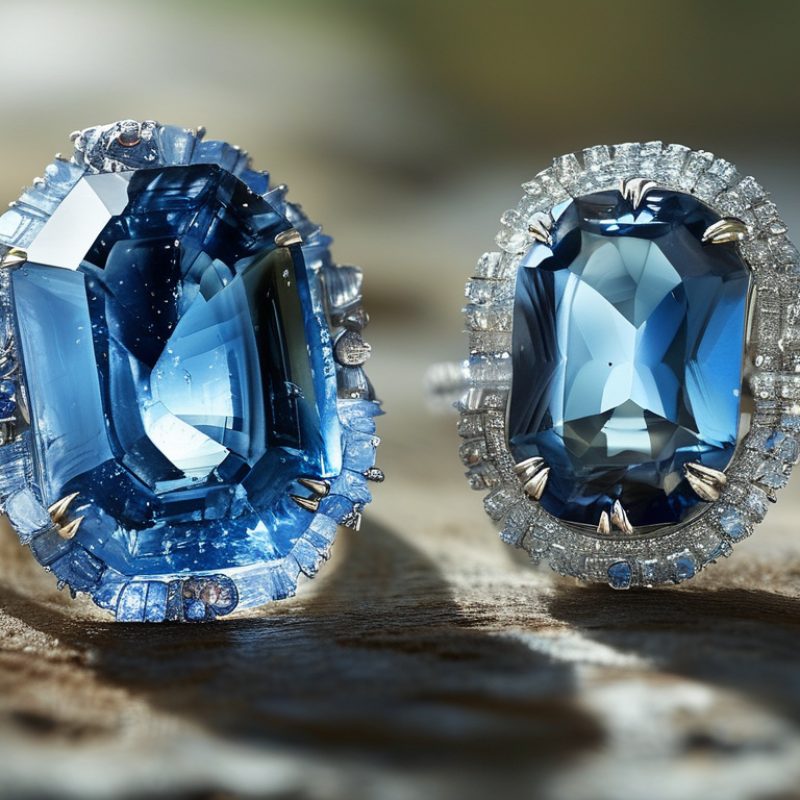
How to Tell the Difference Between Natural and Lab Grown Sapphires?

Understanding the Basics: What Are Natural and Lab Grown Sapphires?

Natural sapphires are formed over millions of years within the Earth, while lab-grown sapphires are created in controlled environments, simulating natural conditions. According to the Gemological Institute of America (GIA), both types can possess remarkable beauty, but their origins make them unique. Natural sapphires often exhibit inclusions and unique color zoning. These features are usually absent in lab-grown variants, as they tend to be more uniform.

When comparing the two, color can be a telling factor. Natural sapphires may have subtle variations in hue, often influenced by their geographic origin. For instance, the most prized sapphires are typically deep blue with a hint of violet, a color often found in stones sourced from Kashmir. In contrast, lab-grown sapphires showcase consistent colors due to the precise conditions of their creation, making them appealing for those seeking perfection.

Tips: Always check certification when purchasing sapphires. Look for reports from reputable gemological labs. Engaging with jewelry experts can provide deeper insights into the subtle differences. Remember, some natural stones may show signs of wear that enhance their character. Choosing a gemstone is not just about appearance; it's about finding the right story and authenticity behind it.

Key Characteristics of Natural Sapphires: Identifying Features

Natural sapphires possess distinct characteristics that set them apart from lab-grown counterparts. One key feature is their inclusions. Natural sapphires often have needle-like inclusions, known as rutile, which result from their natural formation. According to the Gemological Institute of America, around 90% of natural sapphires exhibit these unique formations. Lab-grown stones, however, tend to have fewer inclusions.

Another identifying feature is the color zoning in natural sapphires. This phenomenon occurs when elements during the stone’s natural growth process create a striped pattern. In contrast, lab-grown varieties often display a more uniform color due to controlled manufacturing. Experts estimate that more than 70% of lab-grown sapphires lack this visual complexity.

The hardness is also a significant marker. Natural sapphires rate 9 on the Mohs scale, renowned for their durability. Both types are similarly durable, but natural stones often carry more historical value. Their unique journey through the earth contributes to a character that lab-grown versions can't replicate. Finding an expert gemologist can help navigate these intricate details, ensuring buyers make informed choices.

Comparison of Key Characteristics of Natural vs Lab Grown Sapphires

Common Indicators of Lab Grown Sapphires: What to Look For

When distinguishing between natural and lab-grown sapphires, certain indicators can guide you. Lab-grown sapphires often exhibit specific characteristics. One major sign is the presence of curved striations. These patterns indicate the crystallization process used in laboratories. Natural sapphires, on the other hand, typically have inclusions formed over thousands of years.


Another crucial detail is the color zoning. Lab-grown sapphires usually display more uniform color than their natural counterparts. According to a report from the Gemological Institute of America, about 90% of lab-grown sapphires show little to no color variation. In contrast, natural ones present a wide range of hues and shades due to their formation environment.


Tips: Always ask for certification. A reliable gem lab can confirm whether a sapphire is natural or lab-grown. Check for inclusions under magnification; most lab-grown gems will lack the unique imperfections found in natural stones. Don’t overlook pricing. Typically, lab-grown sapphires are more affordable, so a low price point may raise questions.

Testing Methods to Differentiate Between Natural and Lab Grown Sapphires

Differentiating between natural and lab-grown sapphires can be challenging, yet several reliable methods can help. One effective technique is to examine the inclusions. Natural sapphires often contain unique natural inclusions, like silk or unaligned crystals. In contrast, lab-grown sapphires usually have gas bubbles or curved striations from the manufacturing process, which can be spotted under magnification. A simple jeweler's loupe can reveal these differences clearly.

Another method involves using a refractometer. This tool measures how light bends as it passes through a gem. Natural sapphires have specific refractive indices that slightly vary based on their origin. Lab-grown ones generally exhibit consistent refractive indices due to controlled conditions during their creation. However, the results may sometimes be inconclusive, requiring further analysis.

Finally, advanced techniques like Raman spectroscopy and infrared spectroscopy provide more precise results. These methods analyze the chemical composition and structure of the stones. While effective, they are often not accessible to the average consumer. It's worth noting that identifying sapphires may not yield a definitive answer every time, and expertise plays a crucial role in making an accurate diagnosis. Understanding these testing methods can empower buyers to make informed decisions.

How to Tell the Difference Between Natural and Lab Grown Sapphires? - Testing Methods to Differentiate Between Natural and Lab Grown Sapphires

Testing Method Description Key Indicators Visual Characteristics
Chelsea Filter Test Uses a special filter to distinguish between natural and synthetic stones. Natural sapphires will appear darker or more vibrant. Natural stones tend to have inclusions, while lab-grown are more flawless.
Magnification Examines the sapphire under magnification to detect inclusions. Natural stones usually show needle-like inclusions. Lab stones may show gas bubbles or curved striations.
UV Light Test Uses ultraviolet light to identify fluorescence properties of the sapphire. Natural sapphires may fluoresce, while lab-grown typically have a distinct pattern. Fluorescence colors can vary between natural and lab-grown stones.
Refractive Index Test Measures the refractive index using a refractometer. Natural sapphires may show a slightly different refractive index than lab-grown ones. Differences can often be subtle and require precise measurement.

Understanding the Value: Price Differences and Market Trends

When distinguishing between natural and lab-grown sapphires, understanding their market trends is crucial. Natural sapphires, formed over millions of years, are often rarer. This rarity significantly influences their price. Lab-grown sapphires, created in controlled environments, can be more affordable and available in a wider range of colors and sizes.

Price differences can range widely. Natural sapphires often command higher prices. The quality, color, and size also play key roles. Even minor inclusions can affect a natural sapphire's value. In contrast, lab-grown sapphires usually cost 20-40% less. Buyers should weigh their options carefully.

Here are a few tips to guide your decision-making.

  1. First, always request a certificate of authenticity from sellers. Check if they provide details about the sapphire's origin and treatment.
  2. Second, consider your budget. Understanding the price range can help you choose wisely.
  3. Lastly, when in doubt, consult an expert. A gemologist can help identify nuances in value, ensuring your investment is sound. Always make informed choices based on reliable data.

FAQS

: What are the main features of natural sapphires?

: Natural sapphires have needle-like inclusions called rutile, which are rare in lab-grown stones.

How does color zoning affect natural sapphires?

Color zoning creates striped patterns in natural sapphires, while lab-grown ones are usually more uniform.

What is the hardness of natural sapphires?

Natural sapphires rate 9 on the Mohs scale, making them very durable.

Why are natural sapphires typically more expensive?

Their rarity and historical value contribute to higher prices compared to lab-grown sapphires.

How much cheaper are lab-grown sapphires?

Lab-grown sapphires can be 20-40% less expensive than natural sapphires.

Should I get a certificate of authenticity?

Yes, always request a certificate detailing the sapphire's origin and treatment.

How can I assess the value of a sapphire?

Consider factors like quality, color, size, and inclusions to determine a sapphire's value.

What should I do if I'm unsure about a purchase?

Consulting a gemologist can help you understand the nuances and ensure a wise investment.

How do natural sapphires compare to lab-grown stones in uniqueness?

Natural sapphires have a unique journey through the earth, giving them character that lab-grown stones lack.

Are there specific tips for buying sapphires?

Be mindful of your budget and always seek reliable information before making a purchase.

Conclusion

When exploring the question, "What is the difference between natural and lab-grown sapphires," it's essential to understand the basics of these gemstones. Natural sapphires are formed through geological processes over millions of years, while lab-grown sapphires are created in controlled environments using advanced technology. Key characteristics of natural sapphires include unique inclusions and color zoning, which can often be absent in their lab-grown counterparts due to their controlled manufacturing conditions.

To differentiate between the two, one can look for common indicators such as the presence of specific inclusions or color patterns unique to natural stones. Various testing methods, including spectroscopy and microscopic examination, can also effectively distinguish between natural and lab-grown sapphires. Understanding these differences is crucial, especially when considering the value, as market trends reveal distinct price variances between the two types of sapphires.

Charlotte

Charlotte

Charlotte is a seasoned marketing professional with a deep understanding of the company's portfolio and a passion for elevating its presence in the market. With a keen eye for detail and a commitment to excellence, she ensures that our professional blog is regularly updated with insightful articles......