Choosing a gemstone often begins with color, cut, and sparkle. Its journey deserves attention too. How to tell if a gemstone is ethically sourced is not answered by a green label or a polished sales story. Look for a traceable chain from mine to market, with clear details about origin, cutting, and trading. Ask for the country or mining area, not just a broad region. A precise origin helps. It does not prove every step was responsible, but it gives you something concrete to check.
Reliable sellers should explain what they know and what remains uncertain. Request written sourcing information, supplier details, and any relevant independent audit or certification. Then check who issued the document, what it covers, and whether it applies to that specific stone. For colored gemstones, treatments and recutting can complicate a stone’s history. A certificate may confirm identity or treatment without verifying labor conditions or environmental practices. Paperwork has limits. Be cautious of absolute claims that cannot be supported with evidence. A small shop may have fewer records than a large supplier, yet still answer questions openly. That uncertainty matters. Ethical sourcing is rarely a perfect, simple label; it is a set of claims that should withstand careful questions. This guide explores the evidence buyers can request, the warning signs to notice, and the honest limits of gemstone traceability.
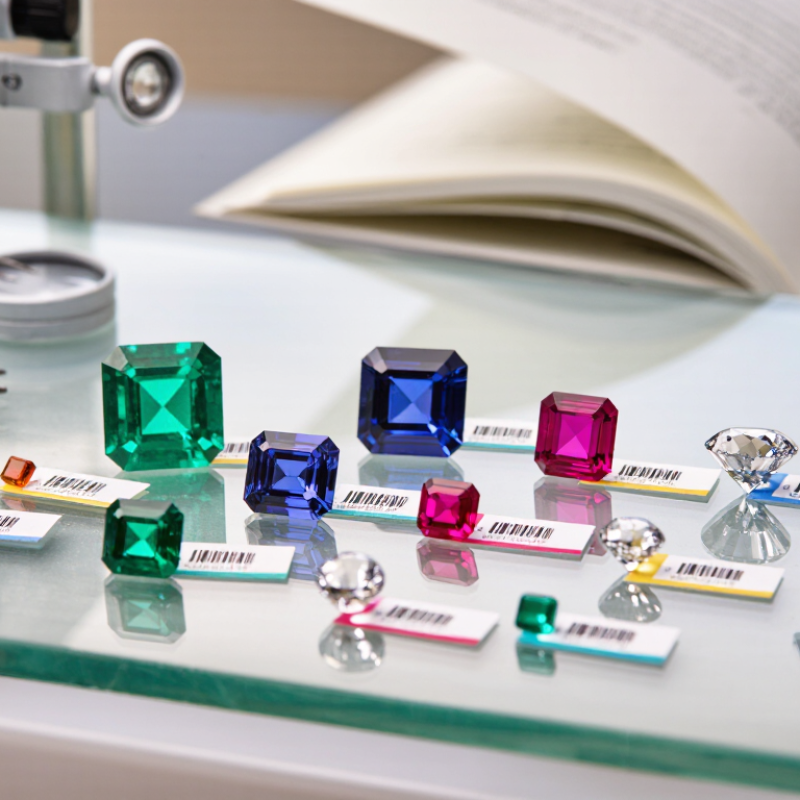
Ethical sourcing means looking beyond a gemstone’s color and clarity to the people and places behind it. It considers how the stone was mined, cut, traded, and transported. Buyers can ask where it came from and whether its journey is documented. Specific answers are more useful than a broad “responsibly sourced” claim.
That matters.
Good records may include a named region, supplier declarations, and steps showing how the stone moved through the supply chain. These details can help, but paperwork is not proof of every working condition. Ethical sourcing also involves fair treatment, safer workplaces, and attention to land and water impacts. A small stone can still have a complicated history.
When details are limited, ask what is known, what remains uncertain, and how the seller checks its information. Independent verification can add confidence, though no single certificate answers every ethical question. Some origins are difficult to trace, and supply chains can change hands. It is worth admitting that uncertainty rather than treating a polished explanation as certainty. A thoughtful purchase starts with clear questions and realistic expectations.
A gemstone’s origin is more than a country name on a tag. Ask where it was mined, who handled it, and where it was cut. A seller should be able to describe these steps clearly, without turning uncertainty into a confident story. Paper trails matter. Look for dated invoices, supplier declarations, and records linking the rough stone to the finished gem.
Ask for details. A useful record may name a mine or region, the exporter, and the cutting location. Compare those details across documents. If a report identifies a stone’s likely geographic origin, remember that this is not proof of fair wages or safe working conditions. Gem testing can support identification and origin assessment, but it cannot verify every human or environmental claim.
Notice what is missing, too. A gap between the mine and the cutter does not automatically prove wrongdoing, but it deserves a direct explanation. Ask whether the stone changed hands, whether treatments were applied, and what evidence supports the answer. No record is perfect. Even careful documentation may leave uncertainty, especially when stones pass through several small suppliers. A cautious, specific answer is more credible than a polished promise.
How to Tell If a Gemstone Is Ethically Sourced?
How to Assess Mining and Labor Practices
A gemstone’s color cannot reveal the conditions under which it was mined. Ask the seller for its country or mine of origin, and whether each step from extraction to sale is documented. A clear chain of custody matters. A vague answer is not proof of harm, but it leaves important questions open.
Look for evidence about worker safety, pay, and freedom to raise concerns. Useful details include protective equipment, stable mine entrances, access to clean water, and training records. Ask whether workers can speak privately with independent assessors, rather than only with supervisors present. Paper policies are easy to produce. Safer daily routines are harder to fake.
Mining conditions can vary widely, even within one region. Independent audits and worker interviews may provide stronger evidence, though audits can miss problems between visits. I would be cautious of claims that rely only on a certificate or a polished story. Ask how the information was checked, when it was last updated, and what happens when a concern is found. Some sourcing histories remain incomplete. That uncertainty deserves an honest answer.
A gemstone’s certificate is a starting point, not a complete history. Check who issued it, which standards it covers, and whether its scope includes colored gemstones and the specific supply-chain stage. Then match the stone’s lot or parcel number across the invoice, grading report, and chain-of-custody records. A mismatch matters. Ask for mine or supplier details, trading dates, and records showing how the stone moved between handlers. For a cut gem, the paperwork should connect the rough parcel to the finished stone, even if that trail is imperfect.
The Intergovernmental Forum on Mining’s 2018 report, Global Trends in Artisanal and Small-Scale Mining, estimated 40.5 million people worked directly in artisanal and small-scale mining across minerals in 2017. That figure is not gemstone-specific, but it shows why mine-level visibility can be difficult. Look for documented risk checks, worker-safety procedures, and independent audit dates, not just a polished seal. OECD’s Due Diligence Guidance recommends a five-step process, including identifying risks and reporting on responses. Use it as a useful benchmark, not proof that every gem is responsibly sourced.
Ask the seller to explain missing links in plain language. Compare the certificate’s date and scope with the transaction records; a current certificate may not cover an older stone. I would pause if documents name only a country, without a supplier or parcel reference. Still, small suppliers may keep uneven records. That deserves scrutiny, not an automatic verdict. A faint parcel number on a paper tag can be more useful than broad ethical language.
Before buying a gemstone, ask where it came from and how far the seller can trace its journey. “What country or mining region is known?” is more useful than “Is it ethical?” Ask whether the stone passed through several traders, and whether the seller can name those steps. Supply chains can be complicated. A precise answer may still have gaps.
Ask whether the gem has been heated, filled, dyed, or otherwise treated, and request any lab report or treatment disclosure available. Then ask what the seller does to check labor and environmental practices upstream. “Show me the paperwork” is a fair request. Look for purchase records, origin details, or written supplier standards, while remembering that documents do not prove every claim. A confident answer can still be incomplete.
Notice how the seller responds to uncertainty. Do they explain what they know, and what they cannot verify? Ask whether “recycled” refers to the gem itself or only its setting, and whether an origin claim is independently checked. Keep the answer. Compare it with the listing and receipt before you decide. If the seller uses broad terms but offers no specifics, pause. Ethical sourcing is rarely a simple label, and imperfect information deserves honest disclosure.
Look for dated invoices, supplier declarations, and records linking the rough stone to the finished gem. A mine or region, exporter, and cutting location add useful detail. Paper trails can still have gaps.
No. A report may support identification or geographic origin assessment, but it cannot verify wages or working conditions. Those claims need separate evidence.
Compare the lot or parcel number across the invoice, grading report, and chain-of-custody records. Check dates and supplier details, too. A mismatch deserves a clear explanation.
Ask where it was mined, who handled it, and where it was cut. Ask whether it passed through several traders. Specific answers help, even when they are incomplete.
Ask whether the gem was heated, filled, dyed, or otherwise treated. Request a lab report or written disclosure if available. Keep the answer.
It does not automatically prove wrongdoing, but it deserves scrutiny. Ask what happened between the mine and cutter. Small suppliers may keep uneven records.
Usually, it is only a starting point. A region, supplier, or parcel reference can make the claim more specific. I would pause at a country name alone.
Ask whether the gem itself is recycled or only its setting. Also ask how the claim was checked. The wording can be surprisingly vague.
How to tell if a gemstone is ethically sourced begins with understanding what responsible sourcing involves: knowing where a stone came from and considering how it was mined, handled, and traded. A clear account of its origin can help buyers assess whether extraction practices respected workers, local communities, and the surrounding environment. When a stone’s journey is difficult to explain, ask for more detail rather than relying on broad claims.
Look for relevant certifications and supply-chain records, while remembering that documents are most useful when they clearly identify the gemstone and the standards being assessed. Ask the seller where the stone was mined, whether its origin can be traced, what is known about working conditions, and what evidence supports those answers. These questions help you compare options and make a more informed choice. Ethical sourcing is not always simple to verify, but transparent information and careful questions can make the buying process more responsible.
