How to Identify High Quality Baroque Pearls for Purchase?

Time:2026-04-29 Author:Liam
0%

When it comes to choosing the perfect baroque pearls, understanding quality is essential. Many may ask, "How to identify high quality baroque pearls?" Distinguishing between exceptional and mediocre pearls can seem daunting. Baroque pearls are unique, often misshapen, and can vary widely in appearance. This individuality is part of their charm.

To identify high-quality baroque pearls, one must observe essential characteristics. Look for luster—the most reflective, shiny surface indicates a higher quality. Imperfections, while common, can affect overall value. Softures and bumps might be beautiful but also signal lower quality. Color plays a significant role as well. Darker hues can add depth, while lighter shades often offer a classic appeal.

Experienced jewelers emphasize the importance of asking questions. They suggest examining pearls closely under good lighting. The flavor of a pearl’s surface can narrate its history and authenticity. Trustworthy sources are key in this journey. Research and examine reviews before making a purchase. Reflect on what qualities you find appealing. Seek out those unique traits that resonate with your style. This exploration can lead you to the perfect baroque pearls.
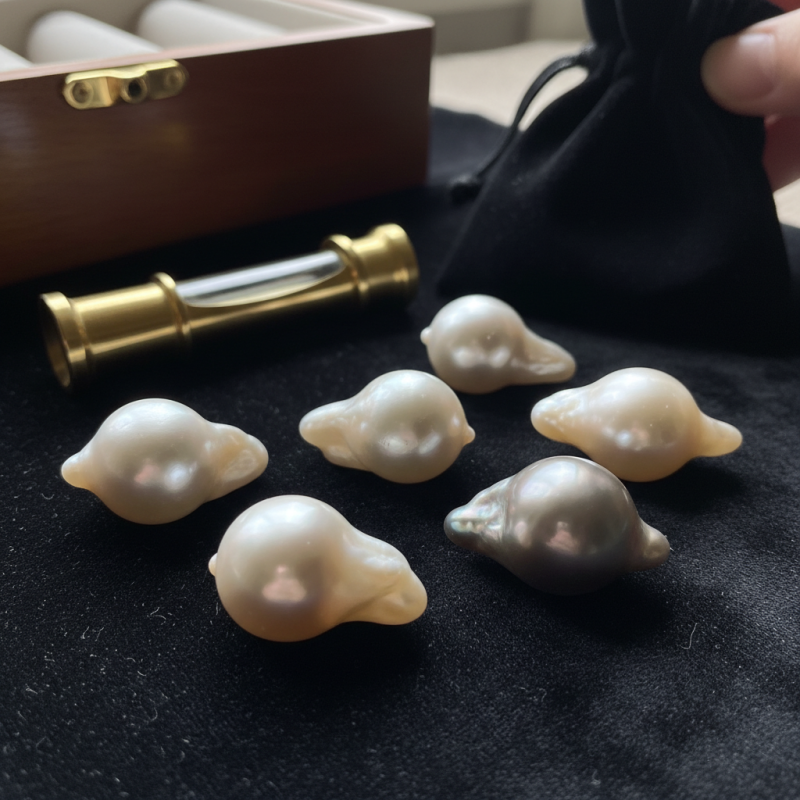
How to Identify High Quality Baroque Pearls for Purchase?

Understanding the Unique Characteristics of Baroque Pearls

Baroque pearls are unique gemstones known for their irregular shapes and captivating luster. Unlike traditional round pearls, their asymmetrical forms offer a distinct aesthetic, appealing to many collectors and jewelry lovers. Understanding the unique characteristics of baroque pearls is essential for making informed purchasing decisions.

When evaluating a baroque pearl, consider its surface quality. Look for blemishes or irregularities, as these can affect the pearl's beauty and value. According to industry reports, high-quality baroque pearls often exhibit a smooth, reflective surface that enhances their luster. The nacre thickness is another crucial indicator. Thicker nacre correlates with greater durability and vibrant shine. Aim for pearls that have at least 0.5 mm of nacre for a good return on investment.

Tips:
Inspect the pearls under various lighting conditions. This reveals their true colors and luster. Compare different pieces to appreciate the diversity in shapes and hues.

The size of baroque pearls can dramatically influence their value. Larger pearls, especially those over 10 mm, are rare and thus more desirable. Keep in mind that while larger sizes are impressive, smaller, well-shaped pearls can also be stunning. Balancing size with quality is vital.

Evaluating Luster and Surface Quality in Baroque Pearls

When evaluating baroque pearls, luster is a key factor. High-quality baroque pearls display a deep, reflective sheen. This sheen comes from their nacre layers, which should be thick and well-formed. According to a report by the Gemological Institute of America, pearls with a rating of “Excellent” in luster can command prices much higher than those rated “Good.” The difference is often noticeable to the trained eye.

Surface quality is equally important. Look for pearls with minimal blemishes. A few tiny marks may be acceptable, but larger imperfections can lower value. Research from the American Gem Society indicates that pearls with smooth surfaces are sought after. Shoppers should be cautious of pearls that appear too perfect. Some may have been treated or coated. Genuine baroque pearls often carry unique irregularities, which add to their charm.

Evaluating these pearls requires practice. Not every pearl shines brightly; some exhibit dullness due to thin nacre. Buyers should assess pearls in natural light to understand their true appearance. Observing under different lighting conditions reveals the complexities of each pearl. A well-rounded evaluation incorporates both luster and surface texture, leading to more informed purchasing decisions. Each baroque pearl tells a story, and understanding its qualities can enhance appreciation.

Assessing Shape and Size for Quality Baroque Pearls

When assessing the quality of Baroque pearls, shape and size play vital roles. Baroque pearls are renowned for their unique, irregular shapes. The best specimens often exhibit a vibrant luster and a smooth surface, but achieving that perfect visual balance can be tricky. Carefully examining the contours is essential. Each pearl should display an intriguing silhouette, suggesting a one-of-a-kind beauty.

Size matters too, but beauty does not always correlate with dimensions. Larger Baroque pearls tend to capture attention, yet smaller ones can hold their own in charm. Aim for pearls that feel substantial in hand. Inspect their proportions; unusually elongated or asymmetrical shapes can add character. However, be mindful—pearls that are too misshapen may compromise elegance.

While imperfections can enhance their uniqueness, they also require a discerning eye. A tiny blemish might mark a pearl's journey, yet excessive flaws could detract from its overall appeal. Look for pearls that tell a story through their shapes. Always trust your instincts. Authentic Baroque pearls should captivate, sparking emotion through their distinctive form and size.

Identifying Authenticity: Natural vs. Cultivated Baroque Pearls

When considering the purchase of Baroque pearls, understanding their authenticity is crucial. Baroque pearls are unique and often irregularly shaped, resulting from natural processes. Natural Baroque pearls form in the wild, while cultivated ones are farmed through human intervention. According to industry reports, approximately 90% of pearls on the market are cultivated, making authentic natural pearls rare and valuable.

To spot natural Baroque pearls, examine their surface for unique imperfections. Each natural pearl carries a distinct set of markings, unlike the more uniform appearance of cultivated pearls. Anomalies can indicate authenticity. A note from the Gemological Institute of America states that natural pearls can fetch prices up to ten times higher than their cultivated counterparts due to rarity.

Tips for identifying authentic Baroque pearls:
1. Use a magnifying glass to inspect for irregularities and natural blemishes.
2. Feel the texture; natural pearls are cooler and heavier than cultivated pearls.
3. Purchase from reputable sellers who provide certification.

Understanding these characteristics enhances your ability to make informed decisions. Although cultivated pearls can be beautiful, the allure of natural Baroque pearls lies in their individual stories and imperfections.

Checking for Price Indicators and Market Trends in Baroque Pearls

When looking at the price indicators for baroque pearls, it’s essential to consider their unique characteristics. Baroque pearls come in various shapes and sizes, affecting their value. Irregular shapes can be more sought after, but the surface quality and luster play a significant role in pricing. High-quality baroque pearls feature smooth surfaces, vibrant colors, and a deep, rich luster. When shopping, ask about the origin, as this greatly influences price. The more you know, the better your chances are of identifying a fair deal.

Market trends also influence the value of baroque pearls. For instance, the popularity of unique jewelry pieces has increased demand for these pearls. Keep an eye on auction results and sales trends. Understanding seasonal fluctuations can help you snag a better price. Be wary of sudden spikes in prices, as they might indicate artificial inflation. Research recent sales and gather as much information as possible. Inconsistent pricing can lead to confusion, making it crucial to establish a benchmark before making a purchase.

Recognizing the right indicators can be challenging. Not every listing tells the whole story. Patience is essential. Relying on gut feeling without proper research may lead to regrets. Reflect on your choices and stay informed; a thoughtful approach will yield the best results.

FAQS

: What are baroque pearls?

: Baroque pearls are unique gemstones with irregular shapes and captivating luster. They differ from traditional round pearls.

How should I evaluate the surface quality of baroque pearls?

Look for blemishes and irregularities. A smooth, reflective surface enhances a pearl's beauty and value.

What is nacre thickness, and why does it matter?

Nacre thickness indicates durability and shine. Choose pearls with at least 0.5 mm for a good investment.

How do natural baroque pearls differ from cultivated ones?

Natural pearls form naturally, while cultivated ones are farmed. Each has distinct markings that indicate authenticity.

What are the price factors for baroque pearls?

Size, shape, and surface quality impact value. Larger, well-formed pearls are rare and often more desirable.

How can I identify authentic baroque pearls?

Inspect for irregularities, feel their texture, and ensure you buy from reputable sellers with certification.

Why are market trends important for baroque pearls?

Trends affect demand and pricing. Staying informed on sales and seasonal changes helps snag better deals.

What should I be cautious about when purchasing baroque pearls?

Watch for price spikes, as they may indicate artificial inflation. Research thoroughly to avoid confusion.

Why is patience important when buying baroque pearls?

Rushing can lead to regrets. A thoughtful approach and proper research increase the chances of a wise purchase.

Conclusion

When exploring how to identify high quality baroque pearls, it's essential to understand their unique characteristics, which set them apart from other pearl types. Evaluating their luster and surface quality is crucial, as high-quality baroque pearls exhibit a radiant sheen with minimal blemishes. Additionally, assessing the shape and size can significantly impact their value; irregular shapes are often valued for their uniqueness and artistic appeal.

Authenticity is another critical factor in determining quality. Buyers should be able to distinguish between natural and cultivated baroque pearls, as natural pearls are rarer and often more valuable. Finally, checking price indicators and market trends can provide insight into the expected value of baroque pearls, helping consumers make informed purchasing decisions. By considering these aspects, one can effectively navigate the market for high-quality baroque pearls.

Liam

Liam

Liam is a dedicated marketing professional with a profound expertise in the industry, where he excels at highlighting the unique advantages of our core products. With a keen understanding of market trends and consumer needs, Liam frequently updates our company’s professional blog, providing......