In the ever-evolving luxury market, understanding the true value of premium jewelry is crucial. Consumers often ask, "Why does premium jewelry require professional appraisal?" A report from the Gemological Institute of America highlights that accurate appraisals can significantly affect resale value. Nearly 85% of jewelry owners do not realize their pieces are undervalued.
Professional appraisals ensure that each piece is assessed by experienced experts. These professionals possess advanced training in gemology and the jewelry market. Accurate evaluations protect clients during transactions and insurance claims. Furthermore, independent appraisals build trust between sellers and buyers. Unfortunately, many people overlook this essential step, which can lead to regret later.
In a market where authenticity is key, a professional appraisal adds a layer of security. It provides detailed reports on quality, origin, and market trends. Jewelry is not just an accessory; it’s an investment. Knowing its true value can make a significant difference. In a world rife with counterfeit and misrepresented jewelry, understanding the importance of appraisals is more vital than ever.
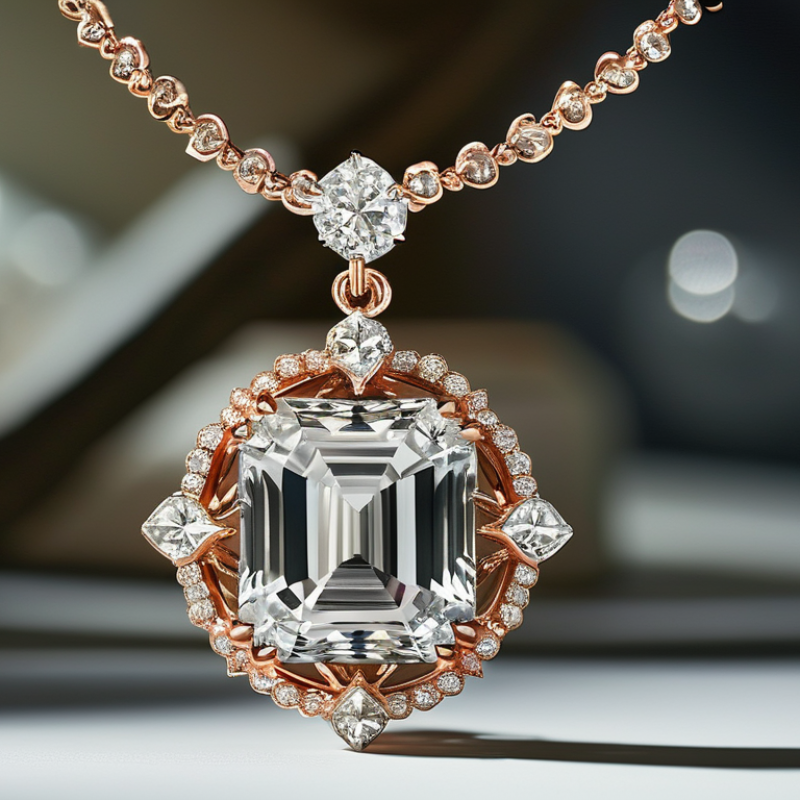
Importance of Professional Appraisal in Establishing Jewelry Value
Professional appraisal plays a critical role in determining the true value of premium jewelry. Jewelry is often an emotional purchase, carrying personal significance. Yet, its market value can be complex due to factors like materials, craftsmanship, brand, and market demand. A credible appraiser brings expertise and an unbiased perspective. They assess the piece meticulously, considering all aspects to establish an accurate valuation.
**Tips:** When seeking an appraisal, look for certified professionals. Verify their credentials and experience. This ensures you receive reliable insights.
The value of jewelry can fluctuate over time. Trends change, and materials may gain or lose value. Regular appraisals can help you stay informed. This is especially important for insurance purposes. Knowing the current value can save you from financial loss.
**Tips:** Keep all documentation of the appraisal. This information is vital for insurance claims and resale. Maintaining records promotes transparency and trust in future dealings.
Factors Influencing the Appraisal Process for Premium Jewelry
The appraisal of premium jewelry is a nuanced process. Various factors significantly impact its accuracy. First, the jewelry's material plays a crucial role.
Diamonds, for example, require assessments based on the four Cs: cut, color, clarity, and carat weight. These attributes can drastically change the value assigned to a piece.
Market trends also influence appraisals. Data from the Gem eReport indicates jewelry values can fluctuate seasonally. Economic conditions can sway buyer interest, creating volatility in appraised worth.
Evaluators must stay informed about current market demands and historical selling prices.
Another essential factor is the provenance of the jewelry. Items with verified histories often hold higher value.
Appraisers rely on detailed documentation to establish authenticity. Without such proof, the final appraisal may lack credibility. Thus, a thorough understanding of these influencing elements is vital.
The appraisal process demands both skill and discernment.
Industry Standards and Certifications in Jewelry Appraisal Practices
In the world of premium jewelry, professional appraisal is not just a formality; it’s a crucial step. Jewelry appraisers are trained experts. They understand the intricate details of various gemstones and precious metals. These specialists follow established industry standards and guidelines. Certifications from recognized organizations validate their expertise. A certified appraiser offers a reliable assessment of value. This transparency is vital for both buyers and sellers.
The appraisal process often involves examination under specialized lighting. Appraisers evaluate each piece closely, assessing quality and craftsmanship. They consider factors like cut, clarity, color, and carat weight. Reliable appraisals include detailed documentation and photographs. However, not all appraisers maintain the same level of rigor. Some may overlook minor details that impact value. A thorough appraisal can reveal hidden flaws or unique characteristics. This additional insight adds to the jewelry’s story and worth.
Moreover, industry standards vary widely. Some appraisals may lack the depth needed for effective valuation. A general appraisal may miss nuances that affect market demand. Each piece of jewelry has its own history and significance. Appraisals should reflect this individuality. Quality appraisals can guide investment decisions. But beware; not all practices meet established criteria. Understanding these elements is essential for making informed choices.
Jewelry Appraisal Accuracy Based on Certification Type
This chart illustrates the accuracy of jewelry appraisals based on different certification types. The Gemological Institute of America (GIA) stands out with the highest accuracy at 95%, while appraisals without certification show a significantly lower accuracy of only 60%.
The Impact of Accurate Appraisals on Insurance and Resale Value
Accurate appraisals play a significant role in determining the insurance and resale value of premium jewelry. When appraised correctly, jewelry can provide a peace of mind for owners. This process requires trained professionals who understand market trends and craftsmanship. Their insights can drastically influence how much a piece is worth, especially if an emergency arises.
Inaccurate appraisals can lead to unfortunate outcomes. If a piece is undervalued, insurance coverage may fall short during a claim. Conversely, overvaluing can inflate premiums unnecessarily. Many owners overlook these risks, focusing solely on aesthetics instead of the financial implications. Professional appraisers draw from their experience to guide clients in making informed decisions.
Resale value is equally impacted by appraisal accuracy. Potential buyers often seek verified assessments before purchase. A well-documented appraisal can enhance trust and spark interest. Appraisals also provide a history that can validate authenticity. However, not all appraisals are created equal. Without a recognized expert's input, jewelry might sit unsold despite its true value. This reality emphasizes the importance of choosing the right professional for appraisals.
Role of Appraisers in Preventing Fraud and Ensuring Authenticity
Professional appraisers play a crucial role in the jewelry market. Their expertise helps confirm the authenticity of premium pieces. In an industry rife with imitations, a skilled appraiser ensures that buyers receive what they pay for. They analyze various factors, including materials and craftsmanship, to establish a piece’s true worth. This deep understanding of gemstones and metals is what sets professionals apart from casual sellers.
Fraud prevention is a significant part of an appraiser’s job. They are trained to spot inconsistencies that may signal deceitful practices. For example, a diamond’s quality may be falsely graded. An experienced appraiser recognizes subtle signs that can mislead a buyer. Clients often think they are protected by documentation. However, without a thorough appraisal, the risk remains high.
The appraisal process can be imperfect, too. Not every appraiser is equal. Experience varies, leading to potential discrepancies in valuations. It’s essential for buyers to research and choose qualified professionals. A reliable appraiser provides a detailed report, giving confidence to clients. Still, buyers must remain vigilant and informed about their investments.
Why is Professional Appraisal Essential for Premium Jewelry?
| Jewelry Type |
Average Appraisal Value ($) |
Common Appraisal Methods |
Fraud Prevention Techniques |
Certification Importance |
| Diamond Ring |
5,000 |
4Cs Analysis, Visual Inspection |
Identification of Synthetic Stones, Clear Documentation |
Grading Reports from Reputable Labs |
| Gold Necklace |
3,500 |
Acid Test, Karat Measurement |
Use of XRF Analyzers, Hallmark Verification |
Claim Documentation for Insurance |
| Pearl Bracelet |
2,000 |
Luster and Surface Quality Assessment |
Sampling and Testing for Irradiated Pearls |
Origin Certificates |
| Emerald Earrings |
4,500 |
Inclusion Analysis, Color Assessment |
Use of Gemological Microscopes |
Appraisals from Certified Appraisers |
| Sapphire Pendant |
6,000 |
Color and Clarity Examination |
Thermal Enhancement Detection |
Independent Third-Party Certifiers |
FAQS
: It determines the true value of jewelry, which can be complex due to various factors.
Look for certified professionals and verify their credentials and experience to ensure reliability.
Trends and material values fluctuate, making regular appraisals necessary for accurate understanding.
Keep all documentation safe for insurance claims and resale promotions.
They evaluate quality, craftsmanship, and details like cut, clarity, color, and carat weight.
Yes, inaccurate appraisals may lead to undervaluation, resulting in insufficient insurance coverage.
A well-documented appraisal builds trust with potential buyers, enhancing interest and authenticity.
No, some may overlook details; quality varies, impacting effective valuation.
You might receive an inaccurate valuation, causing financial risks during claims or sales.
Regular appraisals are essential to stay informed about changing market values and trends.
Conclusion
Professional appraisal is essential for premium jewelry to establish its true value and ensure that owners are adequately informed about their assets. The appraisal process takes into account various factors, including the quality of materials, craftsmanship, and market demand. Understanding "why does premium jewelry require professional appraisal" is crucial for safeguarding investments, as accurate assessments are necessary for insurance coverage and determining resale value.
Furthermore, appraisers play a vital role in upholding industry standards and certifications, which help in preventing fraud and ensuring the authenticity of jewelry items. By relying on certified appraisers, jewelry owners can be confident that they are receiving a fair and accurate evaluation, ultimately protecting their investment and guiding them in future transactions.

 Locke Jewelry