Storing fine jewelry requires careful consideration. Understanding how to store fine jewelry to prevent metal fatigue is crucial for every jewelry owner. Metal fatigue can lead to costly damage and loss of your cherished pieces. Improper storage techniques can exacerbate wear and tear.
Selecting the right environment is essential. Avoid humidity and extreme temperatures, as they can weaken metal structures. Utilize soft jewelry pouches or tarnish-resistant cloths for protection. Each piece deserves individualized care to maintain its beauty and longevity.
Moreover, frequent handling of jewelry can lead to unexpected wear. Sometimes, we overlook simple actions, like storing rings separately to prevent scratching. Engaging with your jewelry’s needs shows care and respect for its craftsmanship. Reflect on these practices to maintain not only your collection but also the emotional value tied to each piece.
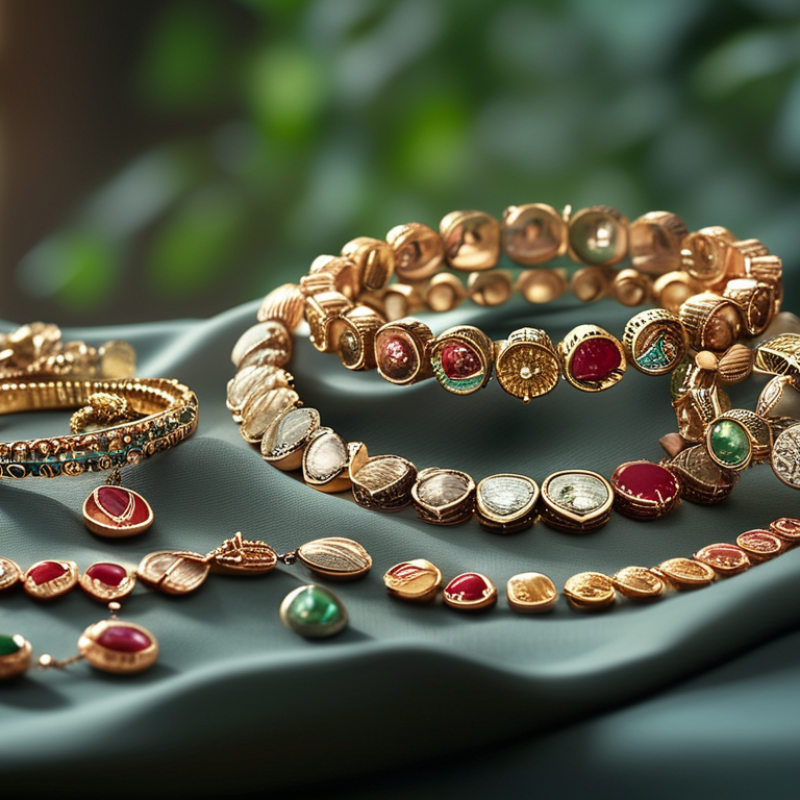
Choosing the right storage location for fine jewelry is crucial. Humidity and temperature fluctuations can damage precious pieces over time. A dry, cool place can help maintain their integrity. Avoid keeping jewelry in direct sunlight, as it can cause discoloration. Additionally, consider using a jewelry box with a soft lining. This protects the metal and stones from scratches.
Also, think about the security of the storage area. Jewelry should be kept in a safe and secure location. A locked box or a safe adds an extra layer of protection. Even the most expensive items can be prone to theft. Regularly check the condition of your jewelry. Look for signs of worn and tear. Metal fatigue can develop, especially in pieces worn frequently. Being mindful can help prolong the life of your treasures.
When it comes to storing fine jewelry, utilizing anti-tarnish materials is crucial. These materials help protect your jewelry from oxidation and discoloration. Many experts recommend using pouches made from anti-tarnish fabric. These pouches can effectively reduce the exposure of metal to air and moisture.
Another effective tool is anti-tarnish strips. Placing these strips in your jewelry box can absorb moisture and prevent tarnishing. It's interesting to note that these strips need replacing periodically. Using them can seem simple, yet many forget this essential step. This oversight can lead to unexpected tarnish on beloved pieces.
Also, consider your jewelry box's overall material. Wood is beautiful, but it can retain moisture. Instead, opt for boxes lined with anti-tarnish cloth. Finally, remember that some metals, like silver, are more prone to tarnishing. Regularly check and clean your jewelry to keep it looking its best. Engaging in these practices can maintain your jewelry's shine and beauty for years.
When organizing fine jewelry, minimizing scratching and tangling is crucial. Studies show that proper storage can extend the life of precious pieces. A survey conducted by the Jewelers of America revealed that over 70% of jewelry owners experience damage due to improper storage. To prevent common issues, consider these tips.
Store jewelry in individual soft pouches or boxes. This prevents pieces from rubbing against each other, which causes scratches. Additionally, a jewelry tree or organizer can keep necklaces from tangling. According to industry experts, separating each type of jewelry reduces the chances of wear and tear significantly.
Another effective method is to use acid-free tissue paper to wrap more delicate items. This method protects against moisture and dust, which are harmful to fine metals. Remember, not all storage solutions are created equal. Some plastics can emit harmful chemicals that tarnish your jewelry. Ensure your storage materials are safe and designed specifically for fine jewelry. Taking these steps can significantly enhance the longevity of your treasured pieces.
Regular maintenance routines are essential for preserving fine jewelry. According to a report by the Jewelers of America, over 30% of jewelry damage results from neglect. To prevent metal fatigue, these practices should be prioritized. Inspecting pieces every few months helps identify early signs of wear. A simple look can reveal loose stones or scratches.
One effective rule is to clean jewelry using mild soap and a soft brush regularly. This should be done at least once every month. Tip: Avoid harsh chemicals and ultrasonic cleaners that may damage delicate settings. It's vital to store pieces separately in soft pouches or compartments to minimize scratches and tangling.
Another helpful practice is professional cleaning. Experts suggest an annual visit to a jeweler for deep cleaning. This helps maintain the beauty and integrity of your metals. Remember, even the finest metals can show signs of stress. Not everyone realizes this. Reflecting on your routine can reveal areas for improvement. Regular checks and proactive care can extend the life of your treasured pieces significantly.
When storing fine jewelry, understanding environmental factors is crucial. Precious metals like gold and silver can react to humidity and temperature fluctuations. A report from the International Journal of Precious Metals states that extreme humidity can lead to tarnishing. Similarly, high temperatures can alter the metal's structure and lead to fatigue over time.
You should consider room conditions where jewelry is kept. Ideally, a temperature between 20-22°C (68-72°F) is best. Avoid damp basements or overly dry attics. The Jewelry Industry Council emphasizes that consistent environments help maintain the integrity of precious items. Air quality is also vital. Pollutants in the air can settle on jewelry, causing chemical reactions.
Using acid-free storage materials can also help. However, not all boxes and pouches are created equal. Some may trap moisture, leading to unseen damage. Regularly check your pieces. Inconsistencies in shine or texture can signal underlying issues. Awareness of these factors can significantly prolong the life of your valuable jewelry.
: A suitable storage location prevents humidity and temperature changes that can damage jewelry over time.
A dry, cool space helps maintain jewelry integrity. Aim for temperatures between 20-22°C (68-72°F).
Direct sunlight can cause discoloration of precious metals and stones. Avoid it to preserve your pieces.
Inspect your jewelry every few months. Look for signs of wear, such as loose stones or scratches.
Clean jewelry with mild soap and a soft brush at least once a month to prevent damage.
Yes, an annual visit to a jeweler for deep cleaning can help maintain the beauty and durability of your items.
Yes, high humidity can lead to tarnishing, while low humidity can cause other issues. Monitor your storage conditions.
Use acid-free boxes or pouches, but ensure they don't trap moisture. Regular checks are necessary to avoid damage.
Pollutants and changes in air quality can lead to chemical reactions and tarnishing. Awareness is key to protection.
Changes can signal underlying issues. Check the environment and consider consulting a professional to assess the damage.
When considering how to store fine jewelry to prevent metal fatigue, it is essential to select appropriate storage locations that offer stability and protection. Jewelry should be placed in dedicated boxes or pouches that are designed to cushion and separate pieces, preventing scratches and tangling. Utilizing anti-tarnish materials within storage solutions can further safeguard precious items from environmental factors that contribute to deterioration.
Regular maintenance routines, including cleaning and inspecting jewelry, are crucial for prolonging metal life and ensuring that fine pieces remain in top condition. Understanding the environmental factors, such as humidity and exposure to chemicals, can also aid in developing effective storage practices. By following these guidelines, jewelry owners can protect their investments and maintain the beauty and integrity of their fine jewelry collections.
