Locke Jewelry
1 / 5
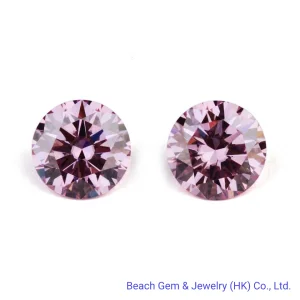
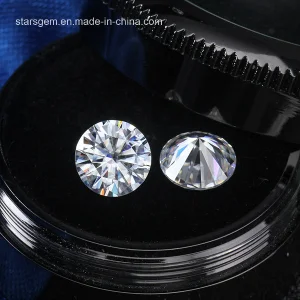
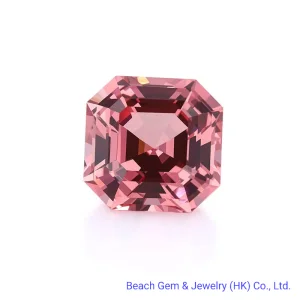
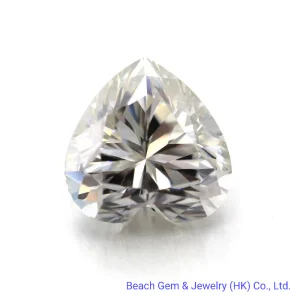
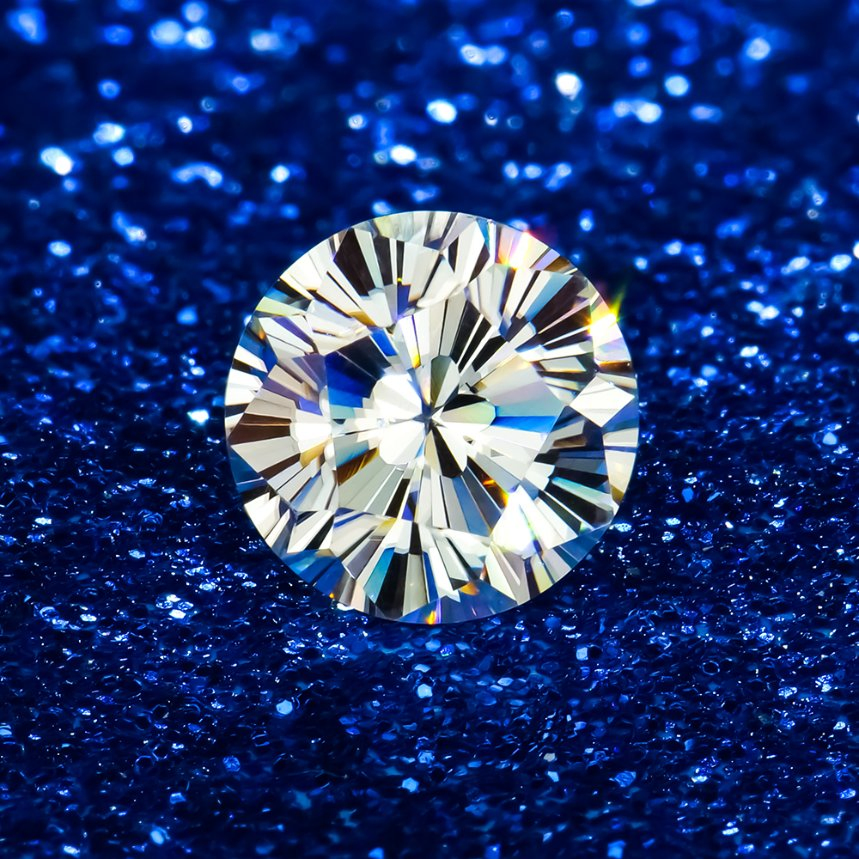
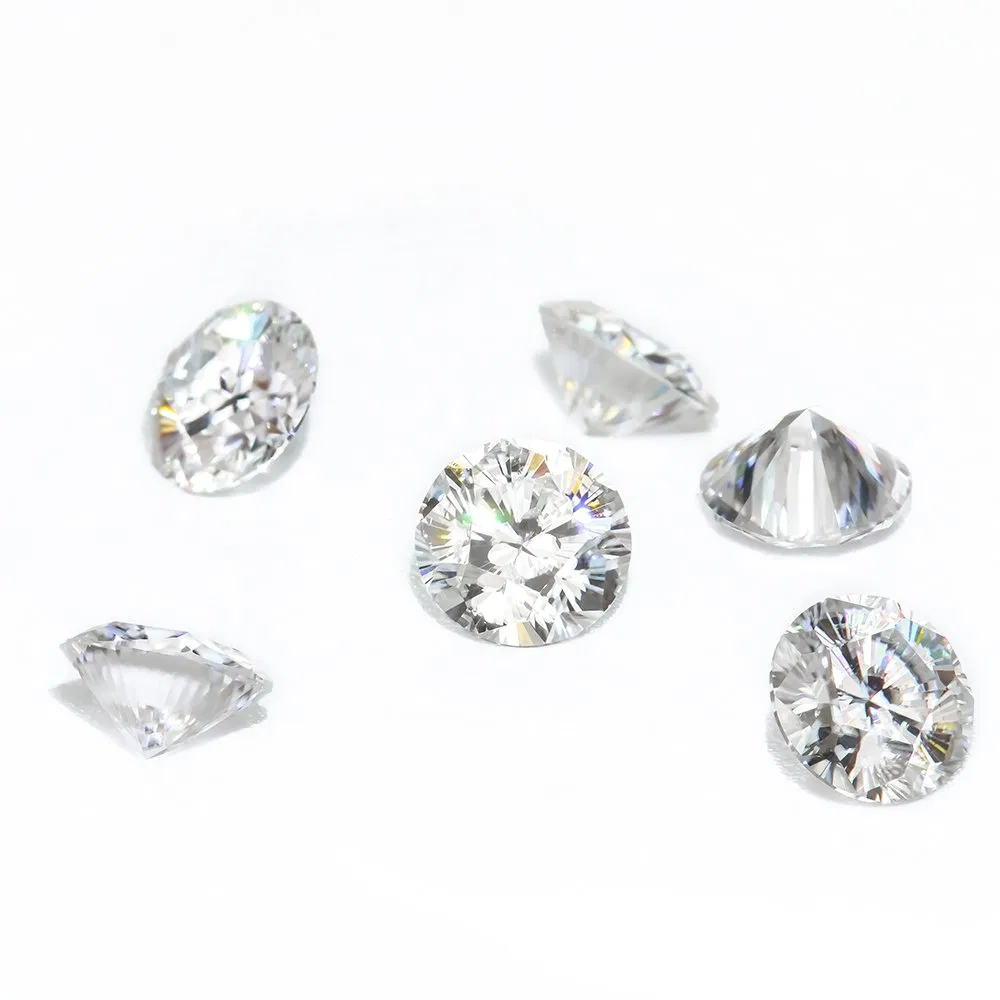
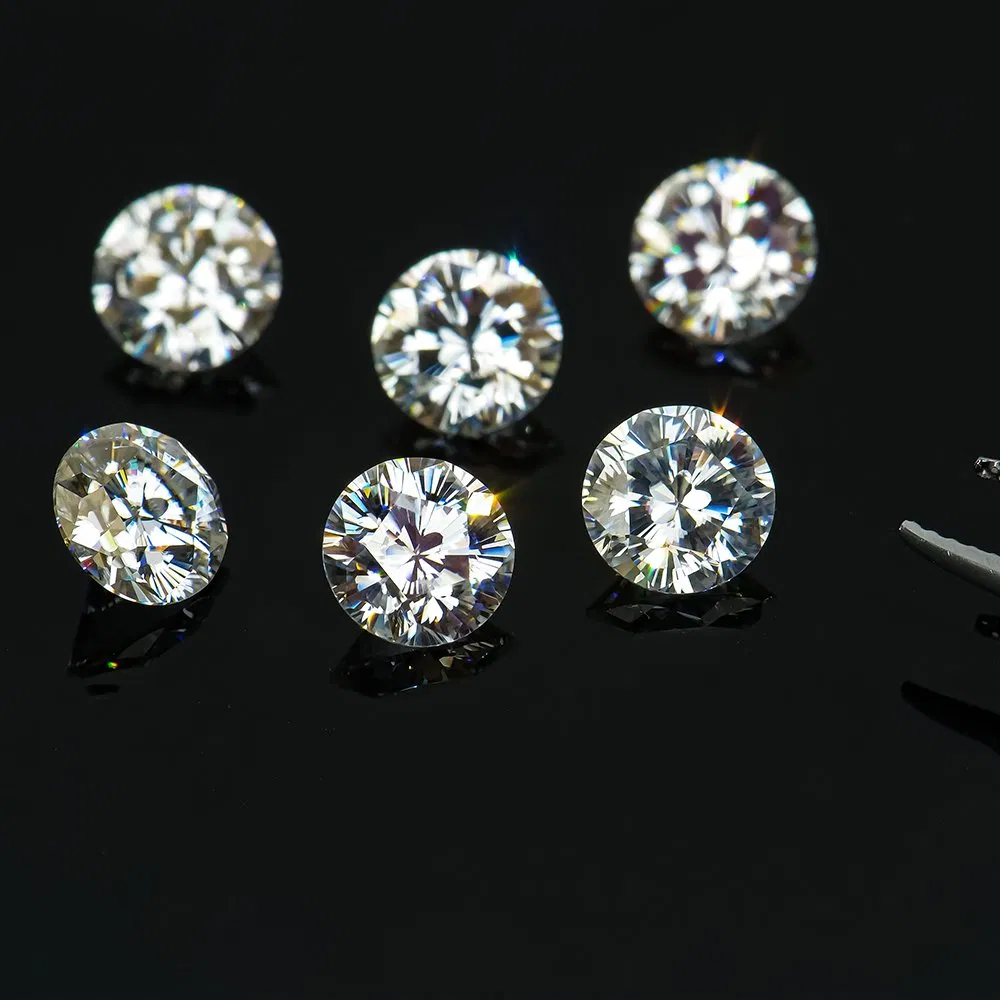
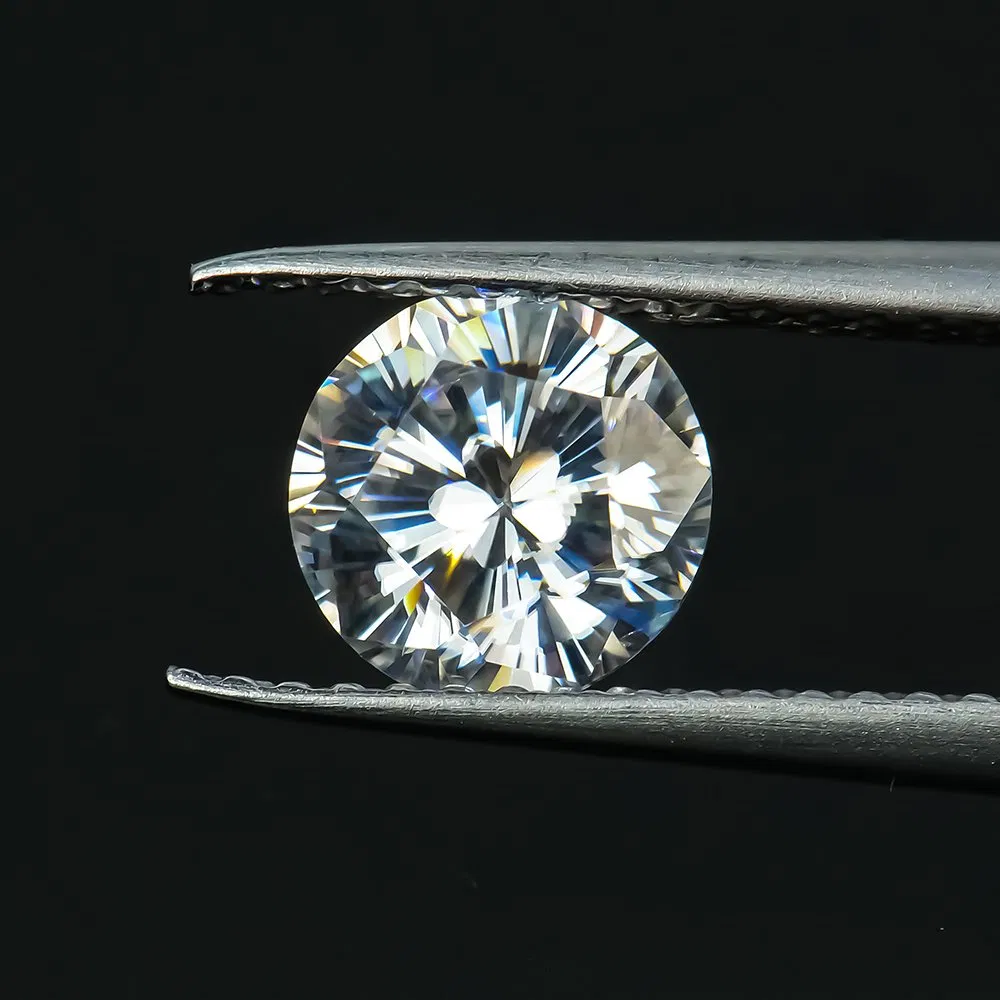
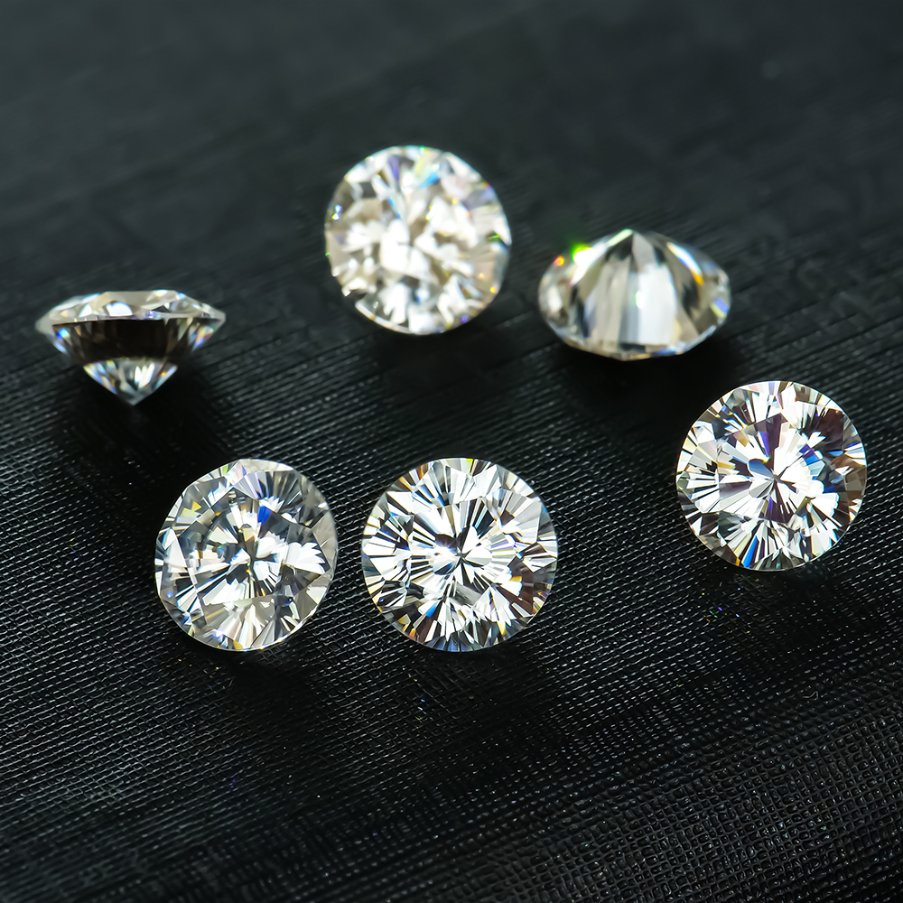
The name of moissanite comes from Henri Moissan, a French chemist who discovered natural silicon carbide in a meteorite crater. While natural moissanite is extremely rare, the moissanite used in jewelry today is masterfully synthesized to offer a sustainable and affordable alternative to diamonds.
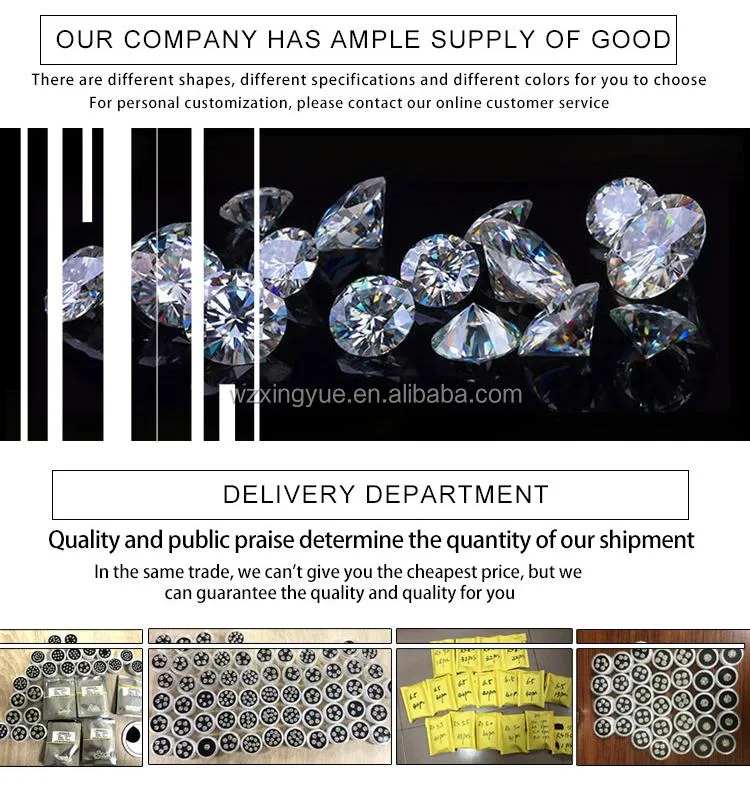
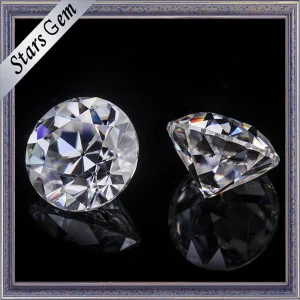
Moissanite possesses properties that are remarkably close to those of diamonds. Its refractive index and dispersion levels are actually higher than diamonds, providing a superior "fire" and brilliance. With a hardness rating of 9.25 on the Mohs scale, it is one of the hardest gemstones on Earth, second only to diamonds (which score a 10).
| Certificate Type | Third Party Appraisal |
| Gemstone Type | Synthetic (lab created) |
| Gemstone Color | White |
| Gemstone Material | Moissanite |
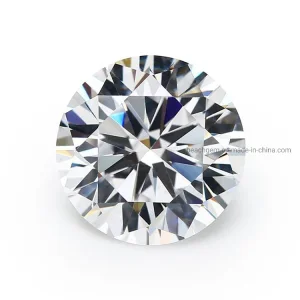
| Gemstone Shape | Round Brilliant Cut |
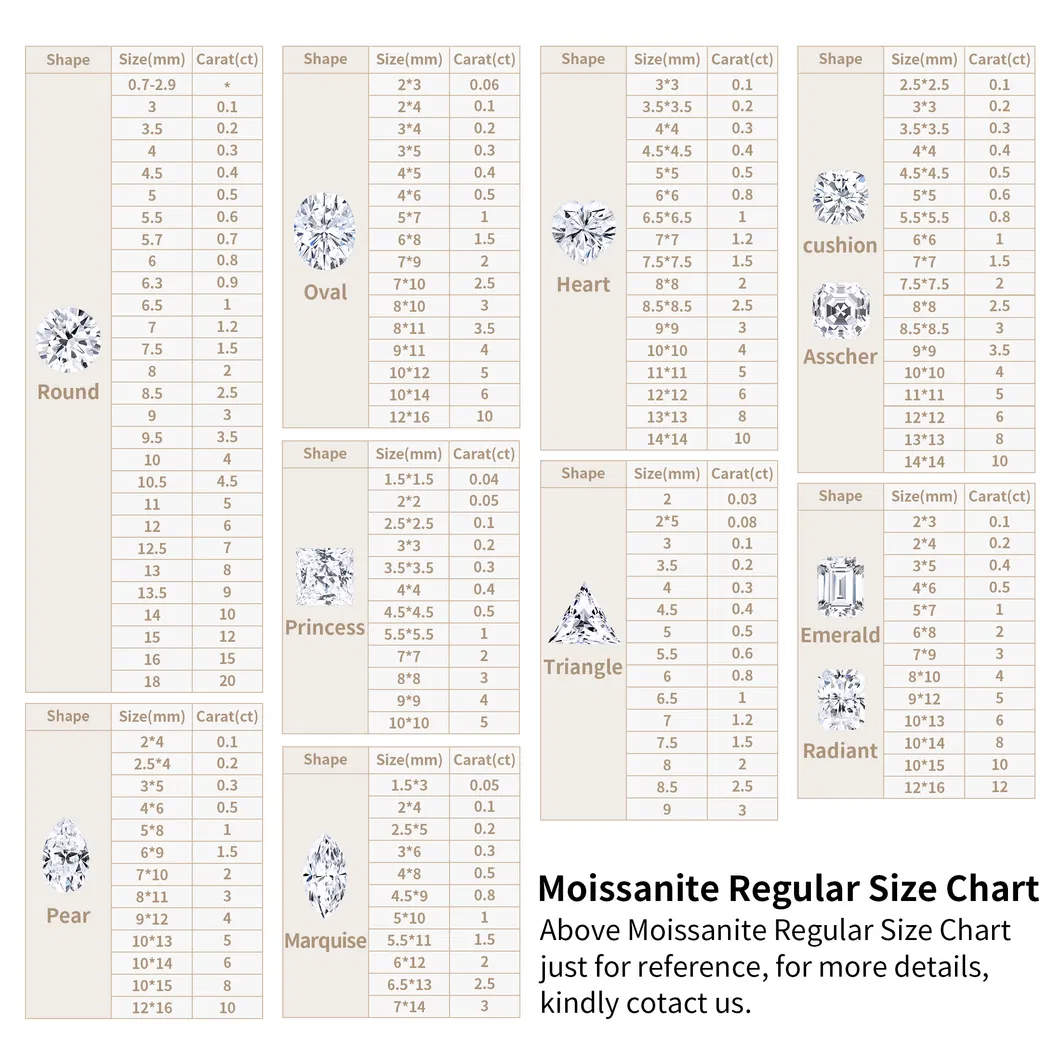
| Gemstone Size | 3mm - 18mm |
| Gemstone Weight | 0.1-10ct |
| Treatments Applied | Heat |
| Optical Effects | Color Play or Fire |
| Hardness | 9.25 Mohs |
| MOQ | 1 Piece |
| Delivery Time | 7-15 Working Days |
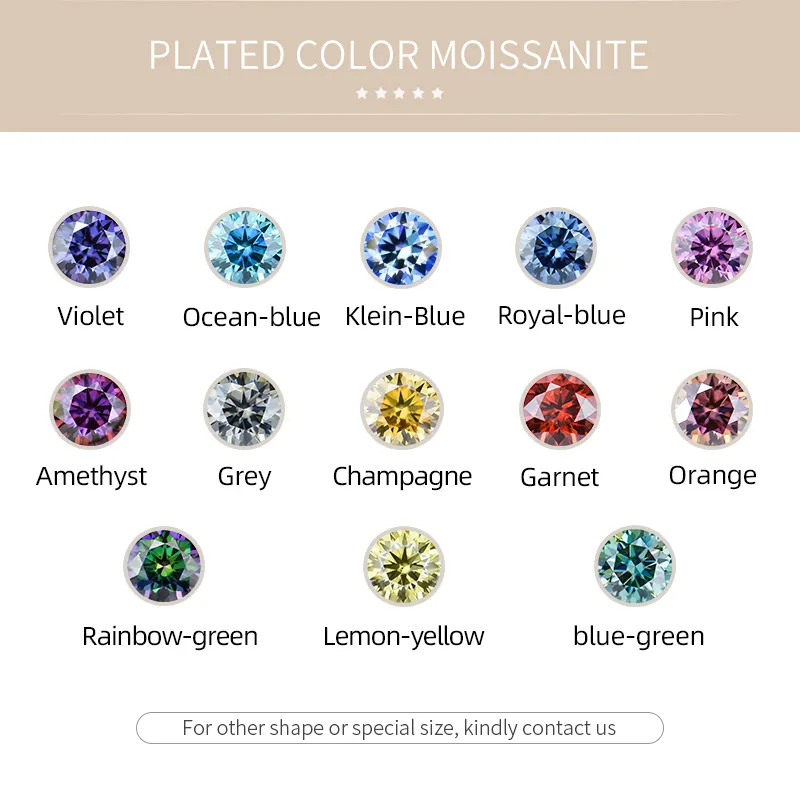
| Available Colors | White, Green, Gray, Black, Yellow |
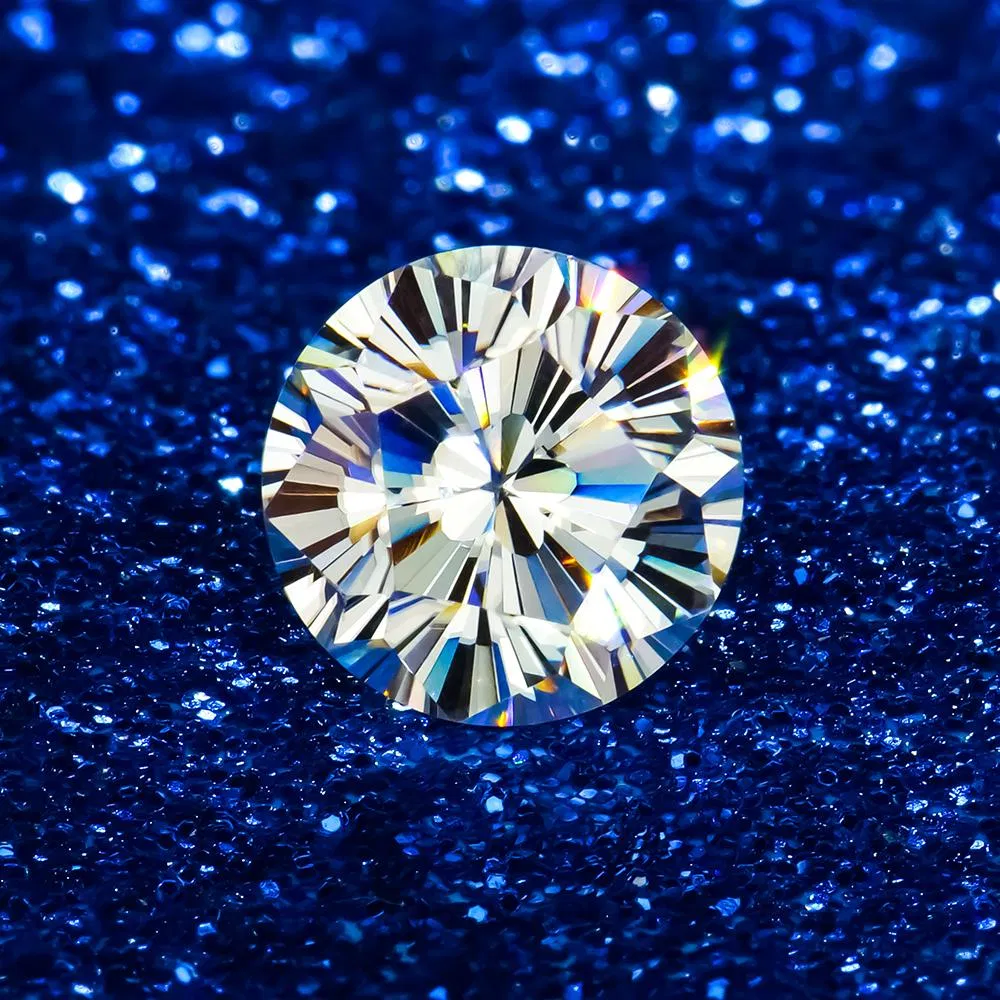
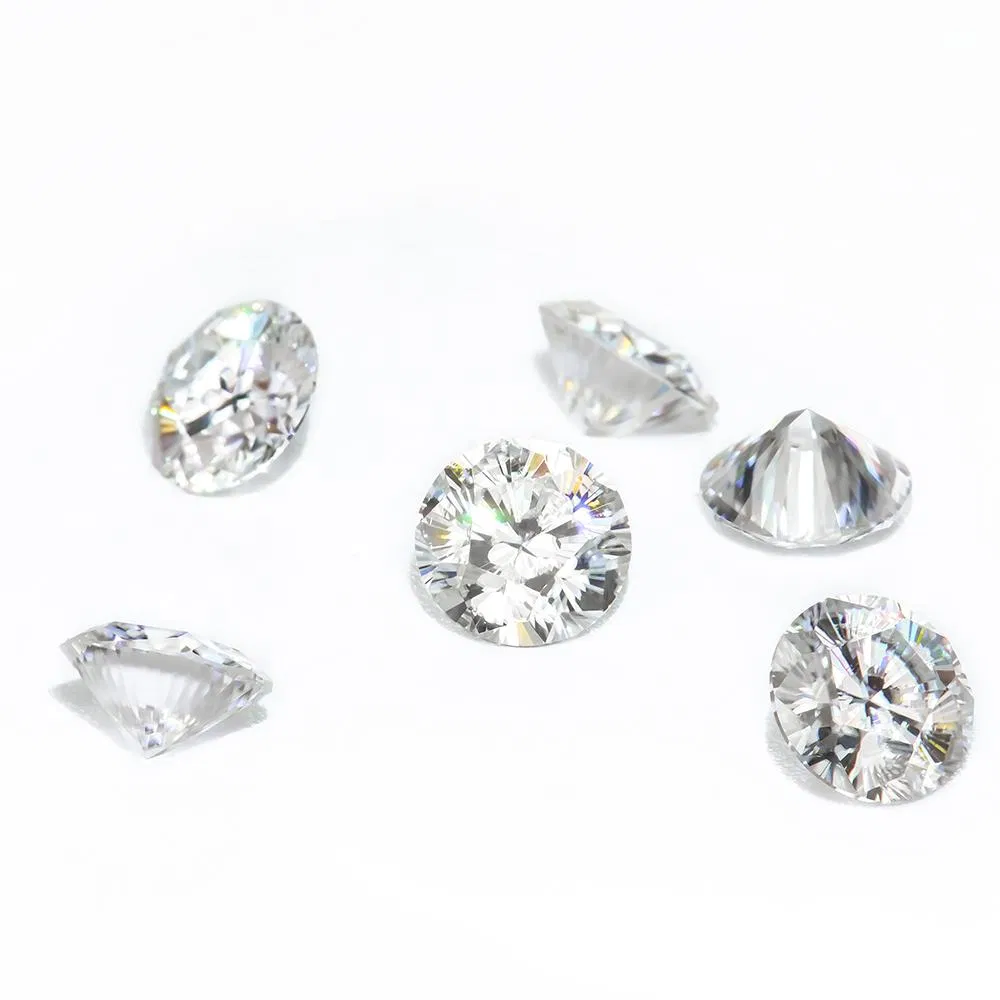
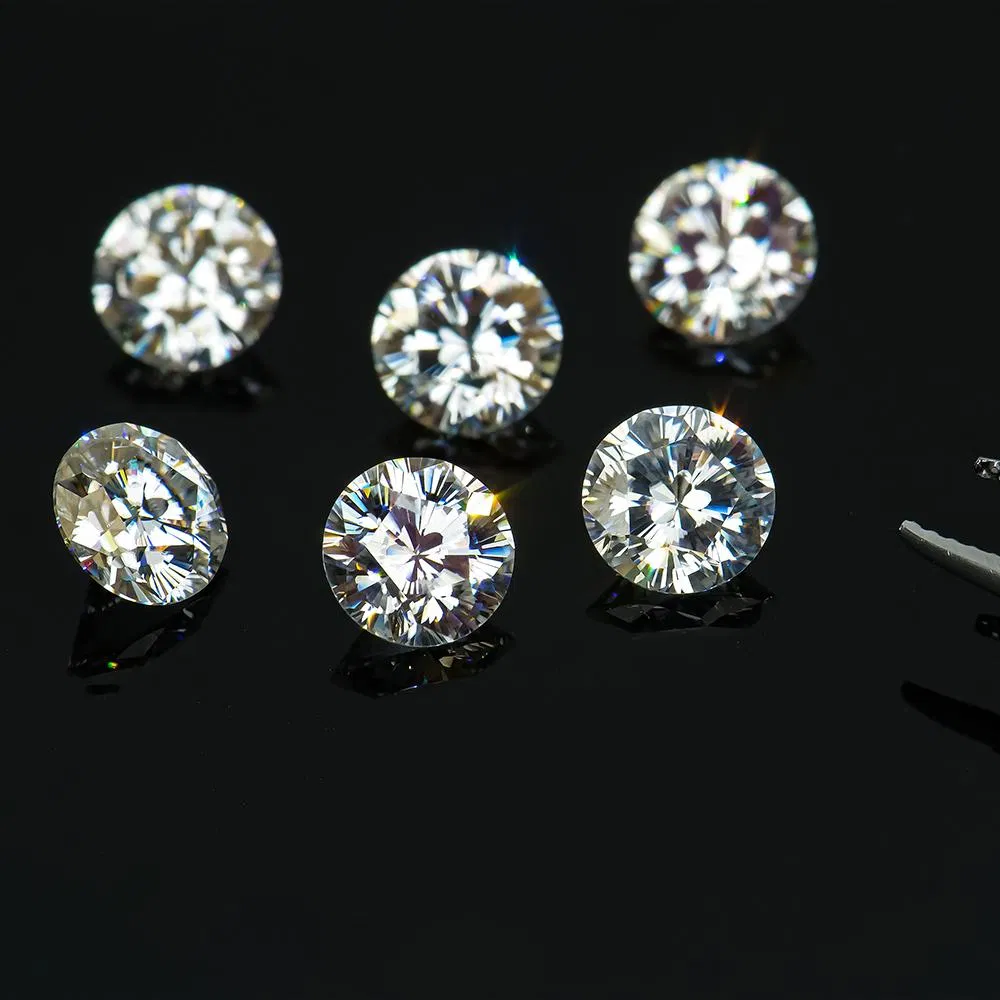
Moissanite is a clever product name used for marketing synthesized silicon carbide. Because it can be produced through controlled scientific processes, it offers mass production efficiency and a very competitive price point compared to natural gems.
Professional gemologists can distinguish moissanite from diamonds through birefringence and optical features. While both materials conduct heat well, they differ significantly in electrical conductivity, allowing for rapid identification using specialized conductivity meters.